
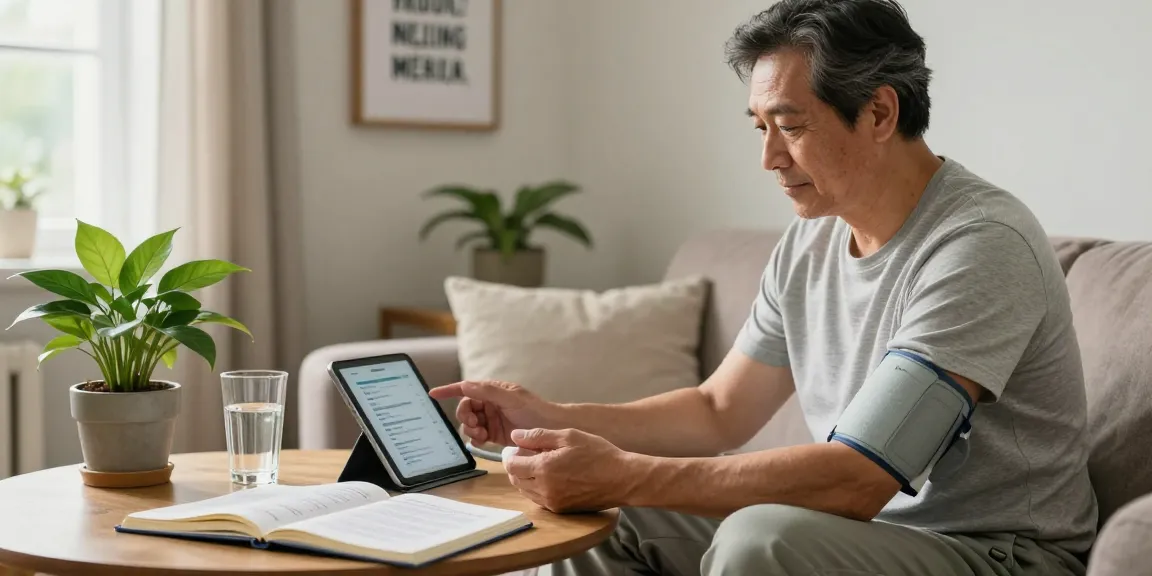
Understanding Blood Pressure Devices
In an era where health monitoring is becoming increasingly paramount, understanding how to manage our cardiovascular health is essential. Blood pressure devices have gained prominence as crucial tools for monitoring one of the most vital indicators of our health. They allow individuals to keep track of their blood pressure levels, providing valuable data that can guide medical decisions and lifestyle changes. When exploring options, blood pressure device reviews often serve as a reliable starting point for selecting the right model.
What is a Blood Pressure Device?
A blood pressure device, also known as a sphygmomanometer, is an instrument used to measure the pressure of blood in the arteries. This measurement is typically expressed in millimeters of mercury (mmHg) and is recorded as two numbers: systolic pressure (the pressure during heartbeats) over diastolic pressure (the pressure when the heart rests between beats). This device is essential for diagnosing and managing conditions like hypertension, which affects millions worldwide.
Types of Blood Pressure Monitors
There are primarily two categories of blood pressure monitors: manual and automatic. Manual monitors, or aneroid sphygmomanometers, require a stethoscope for blood pressure readings and are often used in clinical settings. In contrast, automatic monitors, which can be digital or wrist-based, provide easy-to-read results at the push of a button and are increasingly popular for home use. Each type has its pros and cons, making it essential to evaluate your specific needs.
How Blood Pressure Devices Work
Blood pressure devices function by occluding an artery and measuring the pressure required to halt blood flow. In manual devices, the cuff is inflated, and the healthcare provider listens through a stethoscope for the sounds of blood flow returning to the artery. Automatic devices, on the other hand, use oscillometric methods to detect pulsations in the artery and calculate blood pressure based on these measurements. Understanding the mechanics can help users trust the readings they receive.
Choosing the Right Blood Pressure Device
Finding the ideal blood pressure device involves understanding various factors that influence monitoring accuracy and convenience. The right choice can lead to better health management and adherence to monitoring routines.
Key Features to Look For
- Accuracy: Look for devices validated by health organizations to ensure reliability.
- Ease of Use: User-friendly interfaces, large displays, and voice output features can enhance usability.
- Cuff Size: Ensure the cuff fits your arm correctly; an incorrect size can lead to inaccurate readings.
- Memory Function: Devices that store past readings can help track your blood pressure over time.
- Portability: Consider whether you need a device that is easy to transport for travel or on-the-go monitoring.
Top Brands and Models in 2026
As of 2026, several brands emerge as leaders in the blood pressure device market. Omron continues to set the standard for home monitoring with its reliable models, such as the Omron Platinum, known for its accuracy and Bluetooth connectivity. Another notable mention is the Withings BPM Connect, which offers seamless integration with health apps for monitoring trends over time. Brands like Panasonic and Beurer also provide quality options catering to various user needs, ensuring that everyone can find the right device for their lifestyle.
User Reviews and Recommendations
User experiences often illuminate the pros and cons of specific models. For instance, many users praise the Omron Platinum for its consistent accuracy and ease of use, while others prefer the Withings BPM Connect for its integration with smartphones. Browsing user reviews and seeking recommendations can provide valuable insights to aid in your purchasing decision.
How to Use a Blood Pressure Device Properly
Proper usage of blood pressure devices is crucial for obtaining accurate readings. Each device may have unique instructions, but general guidelines ensure reliable results across most models.
Step-by-Step Guide for Accurate Measurements
- Prepare: Sit quietly for at least 5 minutes before measuring your blood pressure.
- Position Yourself: Sit with your back straight and feet flat on the ground. Rest your arm on a flat surface, at heart level.
- Apply the Cuff: Place the cuff directly against your bare skin, approximately one inch above the elbow.
- Start the Device: Follow the manufacturer’s instructions to begin the measurement. For automatic models, simply press the start button.
- Record Your Reading: Wait for the device to display the readings and note them down.
Common Mistakes to Avoid
Many users unknowingly make mistakes that lead to inaccurate readings. Common pitfalls include using a cuff that’s too small, measuring shortly after exercising or consuming caffeine, and not sitting in the correct position. Avoiding these errors is essential for maintaining the integrity of your monitoring routine.
Tips for Consistent Monitoring
To ensure consistent monitoring, try to measure your blood pressure at the same time each day. Keeping a log of your readings can help you track fluctuations and patterns, aiding in more effective health management. Additionally, consult with your healthcare provider on how often you should check your blood pressure at home.
Interpreting Your Blood Pressure Readings
Understanding the numbers on your blood pressure device is fundamental for effective health management. Knowing how to interpret these readings can empower you and your healthcare provider to make informed decisions.
Understanding Blood Pressure Numbers
Blood pressure readings are divided into four categories: normal, elevated, hypertension stage 1, and hypertension stage 2. Normal blood pressure is usually under 120/80 mmHg, while readings above this may require lifestyle changes or medical intervention. Being aware of what each range signifies can help you recognize when to consult a healthcare professional.
When to Seek Medical Advice
If your blood pressure readings consistently exceed 130/80 mmHg, it’s advisable to consult a healthcare professional. Similarly, if you notice sudden increases or experience symptoms such as headaches, dizziness, or shortness of breath, seek medical attention promptly. These signs could indicate hypertension or other cardiovascular concerns.
Tracking Trends Over Time
Monitoring your blood pressure over weeks or months can reveal trends that are critical for your health. Look for patterns in your readings, and share this information with your healthcare provider. Such data can help identify stressors, dietary impacts, or medication effectiveness.
Future Trends in Blood Pressure Monitoring
The landscape of blood pressure monitoring is evolving rapidly, with innovations enhancing accuracy and user experience. As technology advances, we can anticipate various improvements that will make monitoring more accessible and effective.
Innovations in Blood Pressure Technology
Emerging technologies focus on making blood pressure monitoring more seamless. New devices feature innovative algorithms that improve accuracy, as well as integration with biometric sensors. These advancements aim to create holistic health monitoring systems that provide a comprehensive view of an individual’s cardiovascular health.
Integration with Health Apps and Wearables
As health apps and wearables continue to gain traction, we can expect blood pressure devices to sync seamlessly with these technologies. This integration allows users to track their blood pressure alongside other health metrics, fostering a more holistic approach to health management and better engagement in personal wellness.
What to Expect by 2026
By 2026, we anticipate significant developments in blood pressure monitoring devices. Expect smarter devices that not only provide readings but also offer personalized health tips based on user data. Artificial intelligence may play a role in analyzing readings over time, allowing for more proactive health management tailored to individual needs.
Frequently Asked Questions
How can I ensure accurate readings from my blood pressure device?
To ensure accuracy, always use the device according to the manufacturer’s instructions, check the calibration regularly, and consider measuring at similar times each day for consistency.
What should I do if my blood pressure readings are consistently high?
If your readings consistently show hypertension, consult a healthcare provider to discuss potential lifestyle changes or medication adjustments.
Are there any new technologies for blood pressure monitoring?
Yes, innovations are continually emerging, including devices with advanced algorithms and integrations with health apps that enhance monitoring efficiency and accuracy.
How often should I check my blood pressure at home?
Consult with your healthcare provider to determine the appropriate frequency, but generally, daily or biweekly monitoring is advisable for those diagnosed with hypertension.
What do I need to know about calibrating my blood pressure device?
Calibration should be done according to the manufacturer's guidelines. Regular checks ensure your readings remain accurate over time, which may involve comparing the device's output with that of a clinical device.