
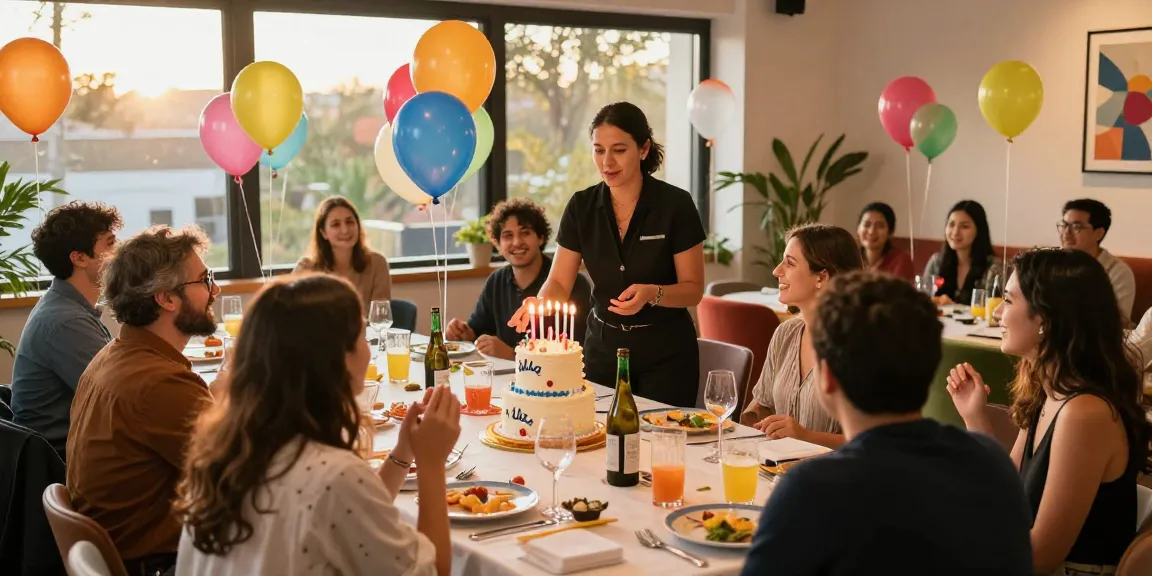
Understanding the Role of a Party Planner
Party planners have become integral to ensuring that celebrations, whether large or small, run smoothly and are memorable. Their expertise encompasses a wide array of responsibilities, including organizing logistics, managing vendors, and creatively designing events that embody the host's vision. For anyone searching for a party planner near me, understanding what services these professionals offer can significantly streamline the event planning process.
What Services Does a Party Planner Offer?
Party planners provide a myriad of services tailored to meet the unique needs of each event. These services often include:
- Event Design and Conceptualization: Crafting themes that reflect the desired ambiance.
- Vendor Management: Coordinating with caterers, decorators, and entertainment professionals.
- Logistical Planning: Handling the timeline, venue selection, and guest list management.
- Budgeting: Ensuring the event stays within financial constraints while maximizing impact.
- On-the-Day Coordination: Overseeing the event to ensure everything runs smoothly.
The Importance of Choosing the Right Planner
Selecting the ideal party planner can make a significant difference in the event's success. A well-matched planner understands your vision and can execute it with precision. Key factors to consider include the planner's experience, client reviews, and their ability to communicate effectively. Ultimately, the right planner will not only alleviate stress but also enhance the overall experience.
Common Misconceptions About Party Planning
Many individuals harbor misconceptions about party planning, often perceiving it as a simple task that requires minimal effort. In reality, effective planning demands significant time and expertise. One common myth is that hiring a planner is exclusively for large or formal events. In fact, even intimate gatherings can greatly benefit from professional assistance to elevate the experience.
How to Find the Best Party Planner Near Me
Finding a reliable party planner can seem daunting. However, by following a structured approach, you can identify candidates who fit your needs. Begin by researching local options and reviewing feedback from previous clients to gauge their reputation and service quality.
Researching Local Options and Reviews
Utilizing online platforms such as Google, Yelp, and social media can provide a wealth of information. Look for planners who specialize in the type of event you are hosting, whether it's a wedding, corporate gathering, or birthday celebration. Pay attention to ratings and reviews, as they often highlight strengths and any potential red flags.
Questions to Ask During Consultations
Once you have shortlisted potential planners, schedule consultations to discuss your vision. Consider asking the following questions:
- Can you share examples of past events you've planned?
- How do you handle challenges or unexpected changes during an event?
- What is your approach to managing budgets?
- How will you communicate with me throughout the planning process?
Evaluating Portfolios and Past Events
Reviewing a party planner's portfolio is crucial to understanding their style and capabilities. Look for diversity in their past events, which can indicate their versatility and ability to adapt to different themes and preferences. This evaluation will help you establish whether their aesthetic aligns with your vision.
The Process of Planning an Event with a Professional
The journey of planning an event with a professional is collaborative and structured. It involves several stages, allowing for creativity and organization to flourish.
Initial Consultation: Defining Your Vision
The initial consultation is where your ideas begin to take shape. A good planner will ask open-ended questions to draw out your preferences, expectations, and any specific requests you might have. This stage sets the foundation for the entire planning process and helps ensure that the planner understands your unique vision.
Budgeting and Cost Management Tips
Budgeting is one of the most critical aspects of event planning. Work with your planner to establish a realistic budget that encompasses all elements of the event. Here are some tips for effective cost management:
- Prioritize essential services over optional extras.
- Be flexible with your choices; consider alternative vendors or venues.
- Request itemized quotes to understand where every dollar is allocated.
Collaborating with Vendors and Suppliers
A skilled planner will have established relationships with local vendors and suppliers. They can negotiate contracts and ensure you receive quality services at competitive prices. Collaborating with these professionals can help streamline the planning process and achieve a cohesive event experience.
Trendy Themes and Ideas for 2026 Events
As the event landscape continues to evolve, staying updated on trends can help make your gathering stand out. Here are some innovative themes and ideas to consider for your upcoming events.
Innovative Themes You Should Consider
Today's events are increasingly incorporating unique themes that reflect personal interests or current trends. Some popular options for 2026 include:
- Eco-Friendly Celebrations: Focus on sustainability with green decor and local catering.
- Tech-Infused Events: Use virtual reality or interactive displays to engage guests.
- Travel-Inspired Gatherings: Create an atmosphere that transports guests to a different locale.
Incorporating Personal Touches for Unique Experiences
To make an event truly memorable, consider adding personalized elements that resonate with your guests. This could include customized favors, bespoke decor, or thematic activities that reflect your personality or the guest of honor's interests.
Utilizing Technology to Enhance Events
In 2026, technology will play even more of a pivotal role in event planning. Consider using apps for real-time updates, live streaming elements for virtual guests, or social media hashtags to enhance engagement. These tech-savvy strategies can create a dynamic experience that your guests will appreciate.
Measuring Success: Feedback and Follow-Up
Post-event evaluations are essential for understanding what worked well and where improvements can be made. Gathering feedback not only helps in assessing the success of the event but also informs future planning.
Post-Event Surveys and Client Testimonials
Consider distributing surveys to guests shortly after the event. Their insights can provide valuable feedback on everything from catering to entertainment. Additionally, ask for testimonials that you can showcase for future marketing efforts.
Analyzing Event Success Metrics
Success can be measured through various metrics such as guest satisfaction ratings, adherence to budget, and attendance figures. Analyze these metrics to gain insights into areas of strength and opportunities for improvement.
Ways to Improve Future Events Based on Feedback
Utilizing the feedback obtained, implement changes that could enhance future events. This might involve adjusting your budget allocation or reconsidering specific vendors based on guest experiences.
How to Handle Last-Minute Changes?
Last-minute changes are an unavoidable part of event planning. A seasoned planner will have contingency plans in place and can pivot quickly to address any issues. Communication is key; keep all stakeholders informed to ensure a smooth transition.
What Are the Best Practices for Booking Venues?
When selecting a venue, consider the following best practices:
- Visit potential sites to assess their suitability in person.
- Inquire about any additional fee structures that may not be mentioned initially.
- Ensure the venue aligns with your event's theme and guest capacity.
How Much Should I Budget for a Party Planner?
The cost of hiring a party planner can vary widely based on their services, experience, and the complexity of your event. On average, expect to allocate 15-20% of your total event budget toward planning services. Consult multiple planners to compare their offerings and find a suitable match for your financial plan.
What Are the Current Trends in Event Planning?
As events evolve, staying abreast of current trends in event planning is crucial. Themes centered around wellness, personalization, and technology are on the rise. Additionally, there is a growing emphasis on inclusivity and accessibility to ensure all guests feel welcome.
How Do I Communicate My Vision to a Planner?
Effective communication with your planner is essential for bringing your vision to life. Be clear about your preferences, desired aesthetic, and any must-have elements. Providing visuals such as mood boards can also help clarify your expectations.
What Should I Include in a Party Planning Checklist?
A detailed checklist is an invaluable tool for staying organized. Ensure your checklist covers all aspects of the planning process, including:
- Guest list and invitations
- Venue logistics
- Catering and menu options
- Entertainment and activities
- Decor and aesthetics